The Maka Nation

  • VISIT OUR ANCESTRAL HOME
  • THE VILLAGE OF NEAH BAY
  • EXPERIENCE THE NATURAL BEAUTY
  • THINGS TO DO
  • ANNUAL MAKAH DAYS CELEBRATION
  • A MAP OF OUR NATION
  • N E W
    The Cape Flattery Trail - Online Tour


    COME VISIT OUR ANCESTRAL HOME

      We call ourselves "Kwih-dich-chuh-ahtx" or "people who live by the rocks and seagulls". The name "Makah", which was given to us by our neighboring tribes, means "Generous with food". We have lived at the most northwestern point in what is now the contiguous United States since the beginning of time. For thousands of years we have hunted whales and seals, and fished in the great waters which cradle our home.

    To this day we are the only Native American Tribe with the right to hunt whales guaranteed by treaty.. Commercial fishing is one of the mainstays of our economy.

    Throughout our history, the great Western Red Cedar tree has provided the material from which we have housed and clothed ourselves. In the form of canoes and other tools, cedar has also provided the means by which we have fed ourselves. Our people once flourished in a community of five permanent villages. The villages were Bahaada, Deah (present day Neah Bay), Waatch, Sooes and Ozette.

      In 1970 tidal erosion uncovered an ancient whaling village at Ozette, parts of which had been covered by a mud slide hundreds of years ago. The subsequent artifacts which were found have now classified Ozette as one the most significant archaeological discoveries ever made in North America! In 1979 the Makah Cultural and Research Center opened to the public in order to share this great find. This nationally recognized museum features full scale replicas of cedar long houses as well as whaling, sealing and fishing canoes. On display are about one percent of the 55,000 artifacts recovered from Ozette.

    These artifacts are between 300-500 years old. With the discovery at Ozette came "affirmation" of our heritage, in the tradition of our ancestors we are teaching the Makah language as well as learning to write it. We have many crafts people and artisans who make long houses, canoes, totems, masks, basketry, clothing and jewelry. Many of our legends are preserved through oral tradition, in the songs we sing and in the dances we perform. Come and join in. Let's celebrate our heritage together!

    THE VILLAGE OF NEAH BAY

      The heartbeat of the Makah Nation is located in the present day fishing village of Neah Bay. Our cultural events as well as our seafaring economy are centered here. The new Neah Bay Marina safely harbors over 200 commercial and sport fishing vessels as well as pleasure craft. The village and marina support numerous small businesses, all of which are open to visitors.

    EXPERIENCE THE NATURAL BEAUTY
    OF OUR CORNER OF THE WORLD

      The journey from U.S. Highway 101 to the Makah Nation along State Routes 112 or 113 is an experience not to be missed. Drive through forested landscapes and travel along the Strait of Juan de Fuca where you may see whales surfacing during their migration or glimpse American Bald Eagles on the hunt.

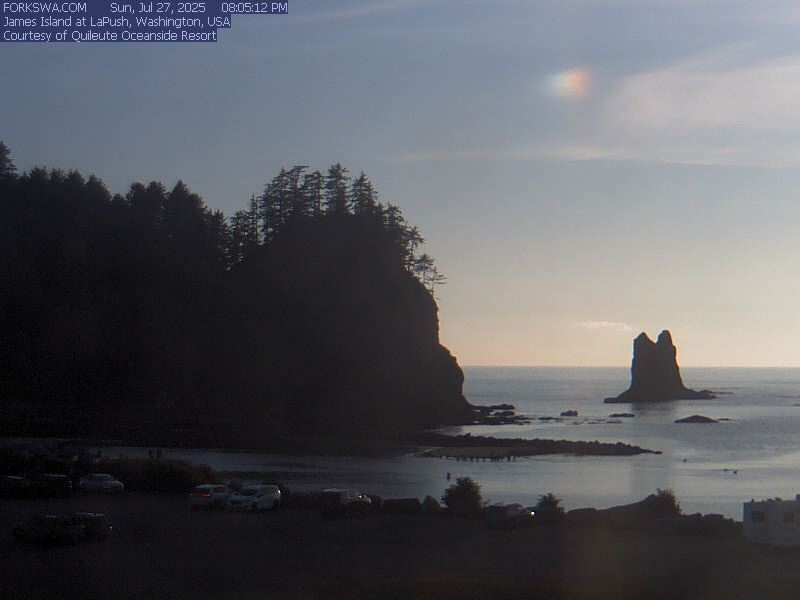
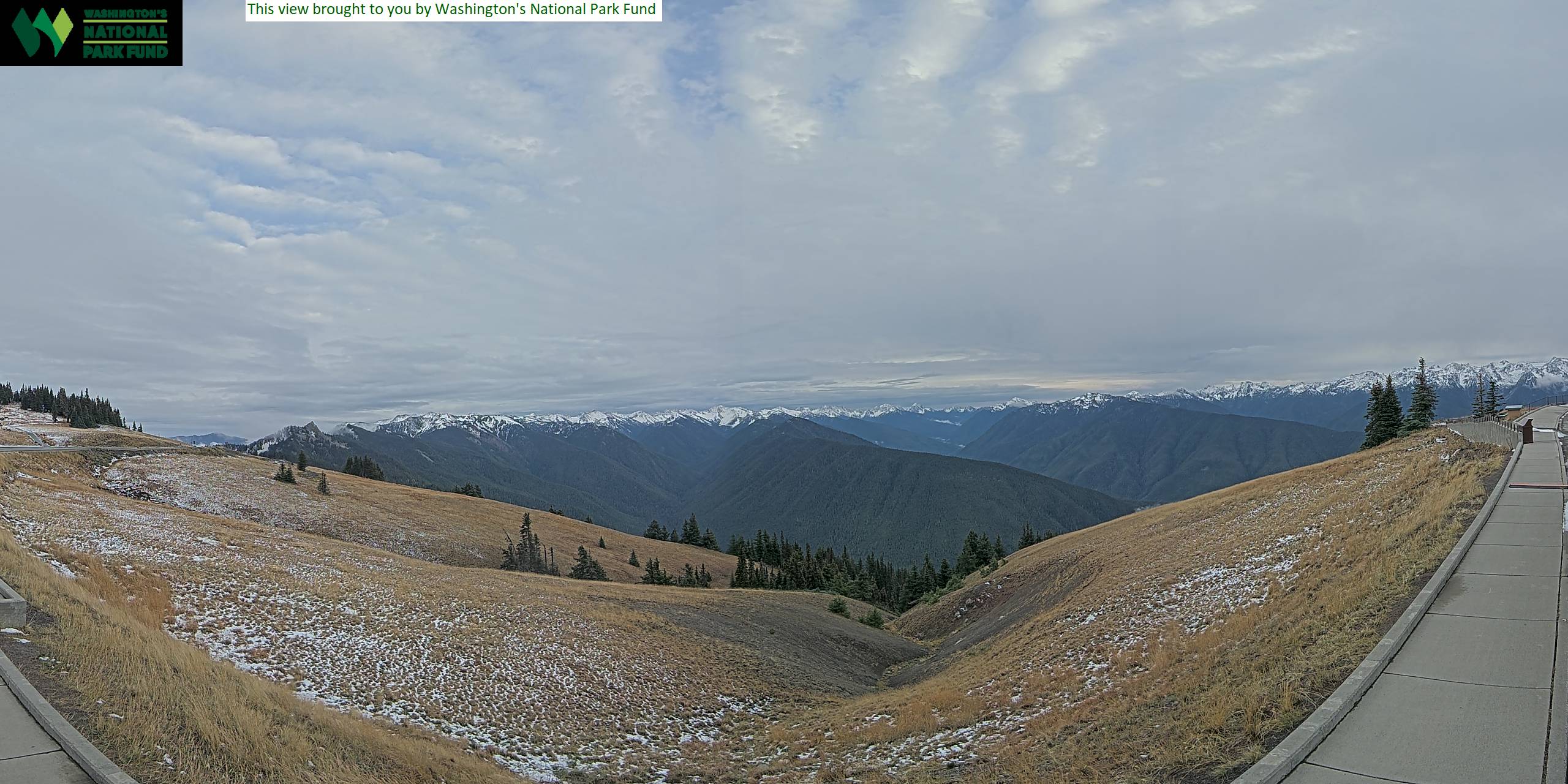
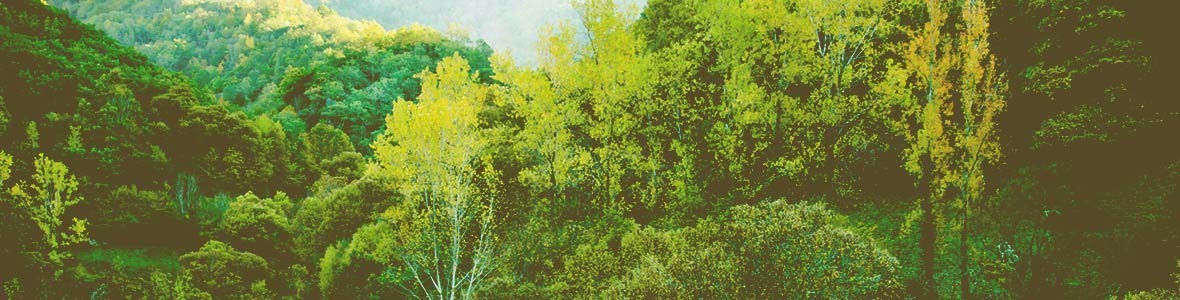
    The forested mountains and hills in combination with a rugged, irregular coastline make our home the most beautiful and breathtaking place on the Pacific Coast. View the Pacific Ocean and Tatoosh Island from the Cape Flattery Trail lookout. The spectacular rocky headlands of our coast can be seen from many vantage points, and the sandy beaches at Neah Bay and Hobuck are perfect for "all around" recreational activities.

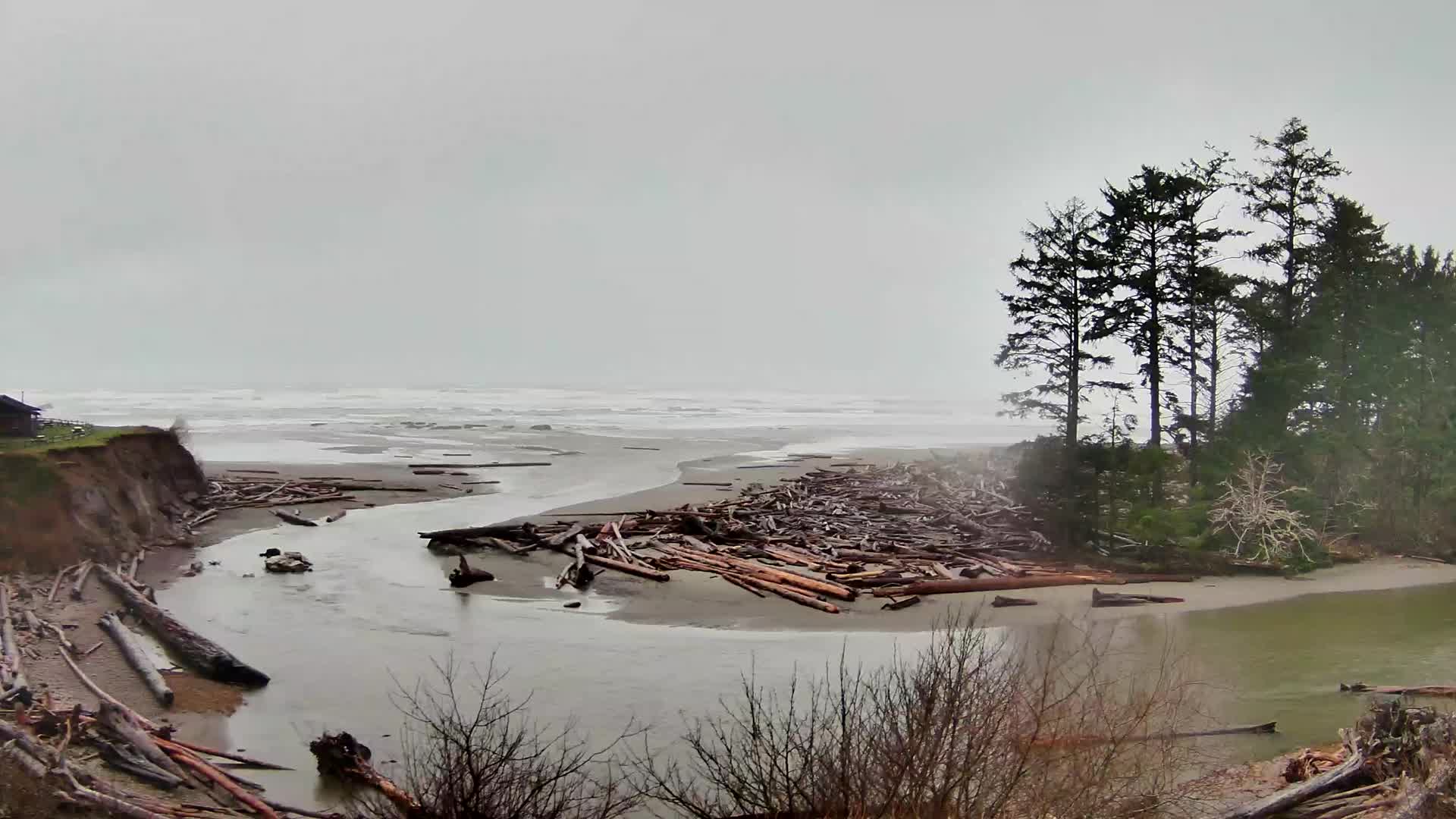
    The beautiful Waatch and Sooes Rivers wind through the countryside eventually finding their way to Makah Bay on the Pacific Ocean.

      In addition, a wealth of plant life and wildlife awaits you. The Olympic National Marine Sanctuary and the Flattery Rocks National Wildlife Refuge harbor a diverse collection of animals, especially birds. Over 239 species of birds are found year round or seasonally. Here in our ancestral home you can see and experience our ancient connection to nature. Here, if you see with eyes of wisdom and listen with your heart, time will stand still.

    A VARIETY OF THINGS TO DO:

    In addition to visiting the Museum, Neah Bay, ocean beached and eco-touring, other activities include:

    MAKAH NATIONAL FISH HATCHERY:
    Located on the Sooes River, the hatchery is designed for public viewing of salmon migrating over fish ladders to spawn in a hatchery environment.

    SPORT FISHING AND PLEASURE BOATING:
    Sport fishing for salmon and bottom fish in the saltwater which surround us in now considered to be the best in the contiguous United States. Charter boats and private fishing and pleasure craft dot Neah Bay's picturesque harbor during the busy summer months. Hobuck Lake and the Waatch and Sooes Rivers are popular fishing sites for rainbow and cutthroat trout. Steelhead can also be taken from the rivers when in season.


    ANNUAL MAKAH DAYS CELEBRATION

      The grand parade, street fair, canoe races, traditional "slahal" games, dancing, singing , feasting and a spectacular fireworks show are all part of Makah Days. This celebration is held every year towards the end of August. Come and join the festivities!

    VISIT OUR ANCESTRAL HOME THE VILLAGE OF NEAH BAY
    EXPERIENCE THE NATURAL BEAUTYTHINGS TO DO
    ANNUAL MAKAH DAYS CELEBRATION The Map of Our Nation


    Olympic Peninsula Web Sites
    North Olympic Peninsula Visitor and Convention Bureau
    | Forks | Clallam Bay/Sekiu | Port Angeles | Port Ludlow |
    | Port Townsend | Quilcene/Brinnon | Sequim |
    Washington State Lodging Association
    Washington State Tourism Division